Your First Paid Project Wheelie Session
A minute-by-minute plan so your Robux window becomes calibration and clean holds instead of random crashes.
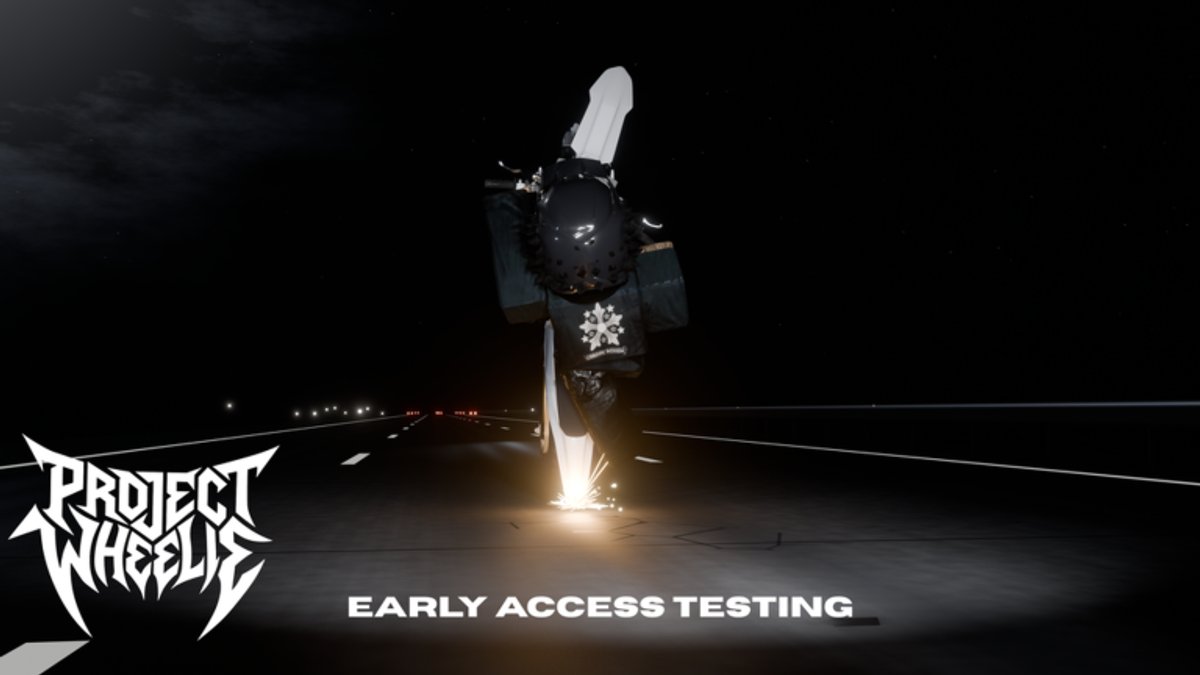
Paid early testing punishes aimless laps. This page gives you a single focused session you can run the first time you join the official Project Wheelie place. Read Getting Started for access rules, then keep this plan open beside the tester checklist.
Before you press Play
- Confirm the place is the official early testing Project Wheelie experience, not Wheelie District — disambiguation.
- Join the Project Wheelie group and favorite the experience.
- Skim binds on PC and Mobile and Camera and Input Feel.
- Decide your stop rule now: end after the cool-down block even if you feel “one more ramp” tilt rising.
- Skim the Early Testing FAQ if price, codes, or solo servers still confuse you.
Minute 0–5: spawn and settle
Let the map stream until inputs feel responsive. Find the traffic toggle and leave traffic off. Do not chase the police vehicle. Roll in a straight line and confirm throttle, steer, and pitch respond the way the controls pages describe. If something feels unmapped, fix binds before you invent bad habits. Solo servers are normal here — see Solo Testing Tips.
Minute 5–15: flat lift-hold-recover
Run the core loop from How to Wheelie: moderate roll, gentle lift, tiny hold corrections, planned recovery. Goal for block one is five calm recoveries in a row, not a personal record. If you loop backward repeatedly, shorten the lift instead of mashing harder. Log your longest clean hold in one sentence. Camera fight belongs in Camera and Input Feel, not in random zoom spam mid-hold.
Minute 15–25: turn tracks both ways
Move to the turn tracks. Hold a short wheelie into a gentle left arc, recover, then mirror right. Elevated steering is a different skill from straight holds. Use Test Map Tips if you lose the landmark rhythm. Skip ramps until both directions feel less panicked than your first attempts. If you tip the same way three times, change only approach speed on the next try.
Minute 25–35: three ramp calibrations only
Pick one ramp family and run three launches with the same approach speed. Change one variable at a time after the third attempt. Details live on Ramps and Traffic. Do not “finish the map” on day one. Three honest calibrations beat twenty chaotic launches. Write whether the front felt early or late at the lip.
Minute 35–40: optional stressor or stop early
If flat holds and turn tracks stayed calm, enable traffic for one short loop, then disable it. Or run a single police swerve from Police Vehicle Drills. If you are already tilted, skip stressors and jump to cool-down. Stressors exist to measure composure, not to farm clips for social media.
Minute 40–45: cool-down and notes
Traffic off. Two easy flat holds. Write: longest hold, cleanest turn, whether a ramp felt early or late, and one feedback sentence you could send through channels on Official Links. Schedule the next ride with the practice planner while the feel is fresh. If the bike felt unfamiliar, check whether you are post-1 August 2026 update calibration debt.
Hard rules that protect the Robux window
- No code hunting during the first session — the Codes Hub is empty for a reason, and “color codes” shorts are usually paint talk.
- No script experiments — read Scripts later if you must.
- No importing another game’s farm route. This build is selling feel.
- No endless retries after three identical tips; change one variable or end the block.
- No pretending Wheelie District systems exist here.
If the session goes badly
Bad first sessions are common in physics tests. Reset expectations with Common Mistakes and Solo Testing Tips. Come back after a break with only the flat block. Also check whether the universe updated since your last visit on the August 2026 Snapshot. A calm second session often teaches more than a tilted eighty-minute grind.
Related pages
Early Testing FAQ, Guides Hub, Controls Hub, Map Hub, Review, Updates Hub.
Why a timed plan beats vibes
Early testing builds reward riders who treat minutes like a lab notebook. A timed plan creates comparable data between sessions, which is how you notice real physics changes after the 1 August 2026 universe update. Vibes alone cannot tell you whether the bike changed or you got tired. Keep the plan boring on purpose — boring is how fundamentals stick before the free full release expands the fantasy layer. The community clip embedded here is atmosphere, not a substitute for your checklist.
Closing checklist before you quit
Favorite still set? Group joined? Traffic left off for warm-up next time? One sentence written? Next block scheduled? If yes, the Robux window did its job even without a perfect hold.
Frequently Asked Questions
Quick answers to the most common Project Wheelie questions.
How long should the first paid session be?
About forty-five focused minutes is enough. Stop after cool-down even if you want one more ramp.
Should I enable traffic on day one?
Only for one short optional loop after flat holds and turn tracks feel calm. Otherwise leave it off.
What if I tip constantly?
Shorten the lift, slow the approach, and stay on the flat block. Do not jump to ramps to reset luck.
What do I do after this plan?
Open the practice planner, keep the tester checklist, and deepen mechanics with How to Wheelie plus Common Mistakes.